
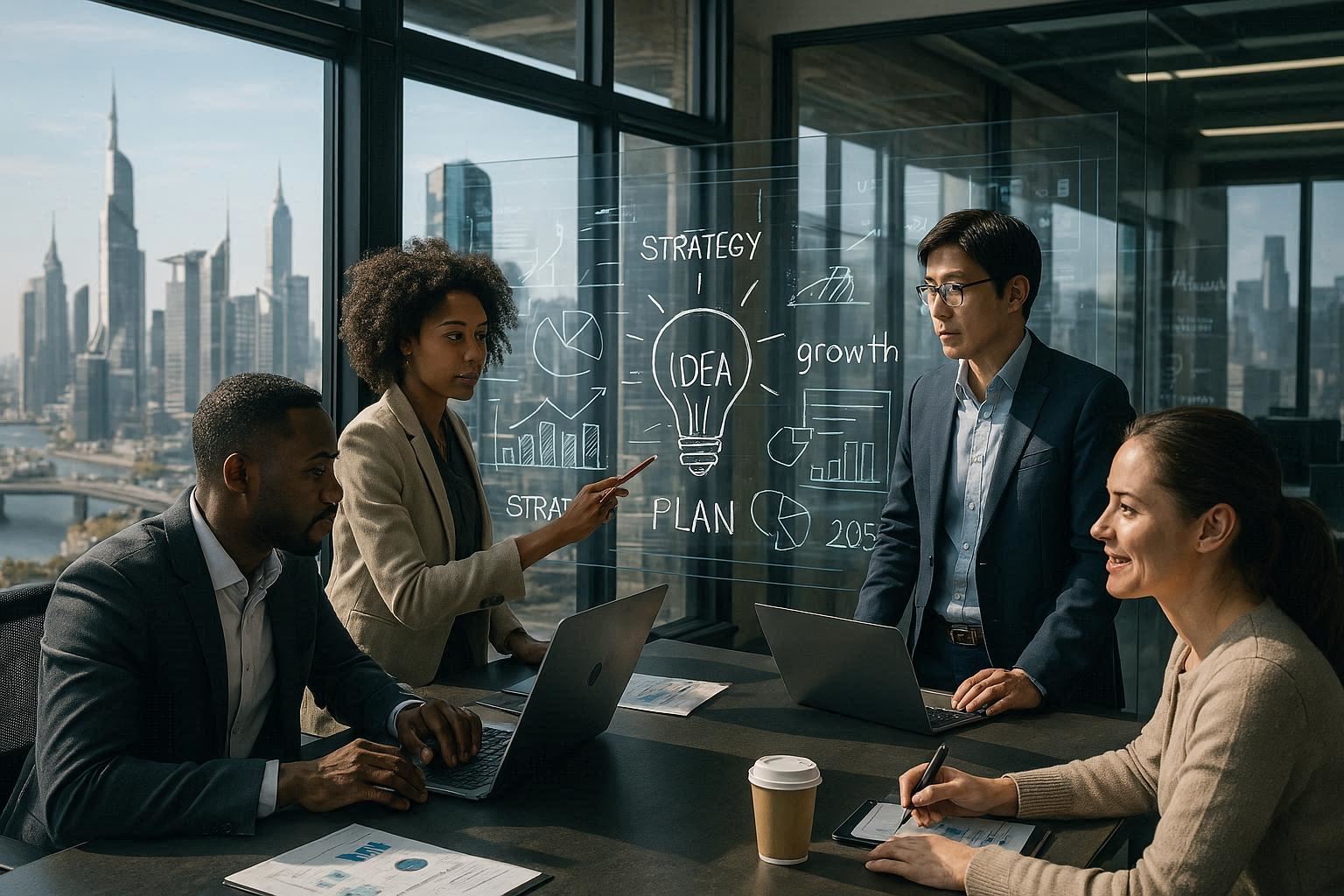
Entrepreneurship has always been the heartbeat of economic growth and progress. In 2025, the world of business creation is evolving faster than ever, driven by technological breakthroughs, changing consumer behaviors, and global challenges that demand new solutions. From artificial intelligence and digital transformation to sustainability and social impact, modern entrepreneurs are redefining what it means to innovate and lead in a connected world.
This article explores the state of entrepreneurship and innovation in 2025 — highlighting emerging trends, key challenges, and the strategies that successful founders are using to thrive in the new business era.
1. The Changing Face of Entrepreneurship
Entrepreneurship today is no longer limited to Silicon Valley startups or tech giants. It’s a global movement that spans industries, geographies, and generations. Entrepreneurs in Africa, Asia, and Latin America are launching high-impact ventures using mobile technology and digital finance to solve local problems. Meanwhile, developed markets are seeing a surge in purpose-driven entrepreneurship — where founders focus not only on profit, but also on social and environmental outcomes.
In 2025, entrepreneurship is characterized by accessibility, inclusivity, and rapid innovation. Low-cost digital tools, remote collaboration platforms, and AI-powered business services have made it easier for anyone with an idea and determination to start a business from anywhere in the world.
2. Innovation as a Growth Engine
Innovation remains the driving force behind successful entrepreneurship. It is not just about creating new products but also about improving existing ones, optimizing processes, and reimagining business models. Companies that innovate consistently are more adaptable, resilient, and capable of maintaining a competitive edge in uncertain markets.
In 2025, innovation is happening across multiple dimensions — technology, sustainability, and human experience. Entrepreneurs are using data analytics, AI, and design thinking to uncover unmet needs and deliver value faster and more efficiently than ever before.
3. Key Trends Shaping Entrepreneurship in 2025
Several major trends define the entrepreneurial landscape in 2025. Digital transformation remains central, as businesses of all sizes continue to embrace automation, cloud computing, and e-commerce. The green economy is also booming, with startups focusing on renewable energy, waste reduction, and sustainable products. Social entrepreneurship has gained momentum, as younger generations prioritize ethics, inclusion, and impact over short-term profits.
Moreover, the rise of decentralized finance (DeFi) and blockchain technology is creating new ways for entrepreneurs to raise capital and manage transactions. Crowdfunding, tokenization, and venture-as-a-service models are democratizing access to investment, reducing the dependence on traditional banks or venture capital firms.
4. Technology Empowering Entrepreneurs
Technology is the backbone of modern entrepreneurship. Artificial intelligence helps startups analyze markets and personalize customer experiences. Automation reduces repetitive tasks, allowing founders to focus on strategy and creativity. Cloud infrastructure provides scalability, while cybersecurity solutions protect digital assets and customer trust.
Entrepreneurs in 2025 leverage technology not just for efficiency, but as a source of innovation itself. AI-generated product designs, virtual reality shopping, and predictive analytics are opening new frontiers for business creation. Those who adopt technology early gain significant advantages in speed, adaptability, and market insight.
5. Sustainability and Purpose-Driven Business
The new generation of entrepreneurs understands that sustainability is no longer optional. Consumers, investors, and regulators now expect businesses to operate responsibly. Startups that focus on green innovation — such as renewable energy, ethical supply chains, and circular economy models — are attracting both customers and capital.
Purpose-driven entrepreneurship is reshaping corporate culture. Founders are aligning profit with purpose, creating companies that tackle issues like climate change, inequality, and health access. This approach not only drives social impact but also builds stronger brand loyalty and long-term success.
6. Challenges Facing Entrepreneurs in 2025
Despite unprecedented opportunities, entrepreneurship in 2025 is not without its challenges. Intense competition, fast-changing technology, and regulatory uncertainty make business survival harder than ever. Access to funding remains uneven, particularly for startups in developing economies or underrepresented groups.
Cybersecurity risks and data privacy regulations are growing concerns as businesses become more digital. Additionally, economic volatility, inflation, and supply chain disruptions continue to test entrepreneurial resilience. To succeed, founders must combine agility with long-term strategic thinking.
7. The Role of Innovation Ecosystems
Innovation doesn’t happen in isolation. In 2025, thriving entrepreneurial ecosystems play a crucial role in nurturing startups. Governments, universities, corporations, and investors are collaborating to create environments where ideas can grow into sustainable businesses. Startup incubators, accelerators, and co-working hubs are connecting entrepreneurs with mentors, funding, and resources.
Countries investing in innovation infrastructure — such as digital education, funding networks, and research partnerships — are seeing rapid growth in new business creation. This demonstrates how supportive ecosystems can turn innovation into economic prosperity.
8. Financing the Next Generation of Startups
In 2025, funding models for entrepreneurs are more diverse than ever. Traditional venture capital remains important, but alternative financing options have expanded. Crowdfunding platforms allow direct community support, while angel investors and micro-funds back early-stage innovators. Digital finance and tokenized assets enable startups to raise capital quickly and transparently.
At the same time, impact investors are focusing on companies that deliver measurable social or environmental benefits. This shift toward sustainable investing ensures that capital flows to businesses driving meaningful change.
9. The Importance of Agility and Lifelong Learning
Entrepreneurship today requires constant adaptation. Markets shift, technologies evolve, and consumer preferences change rapidly. The most successful entrepreneurs are those who embrace continuous learning — updating skills, experimenting with new tools, and staying attuned to global trends. Agility, creativity, and emotional intelligence are becoming as important as technical expertise in sustaining long-term growth.
10. The Future of Entrepreneurship
Looking ahead, entrepreneurship in 2025 and beyond will be defined by inclusivity, innovation, and sustainability. Artificial intelligence will continue to redefine how startups operate, while remote collaboration will enable truly global teams. Entrepreneurs who balance technological advancement with human values will lead the next wave of economic and social transformation.
The next decade will see the rise of “micro-multinationals” — small, digital-first companies operating globally from day one. These agile businesses will leverage technology to compete with established corporations while maintaining flexibility and creativity. The future of entrepreneurship is borderless, data-driven, and purpose-centered.
Conclusion
Entrepreneurship and innovation in 2025 mark the dawn of a new business era — one defined by rapid technological progress, social consciousness, and global collaboration. The entrepreneurs of today are not just creating companies; they are shaping the future of work, sustainability, and human progress.
By embracing innovation, staying adaptable, and aligning business with purpose, modern founders can build ventures that are profitable, impactful, and resilient. In an age of change, the true spirit of entrepreneurship lies in turning challenges into opportunities and ideas into lasting value.