
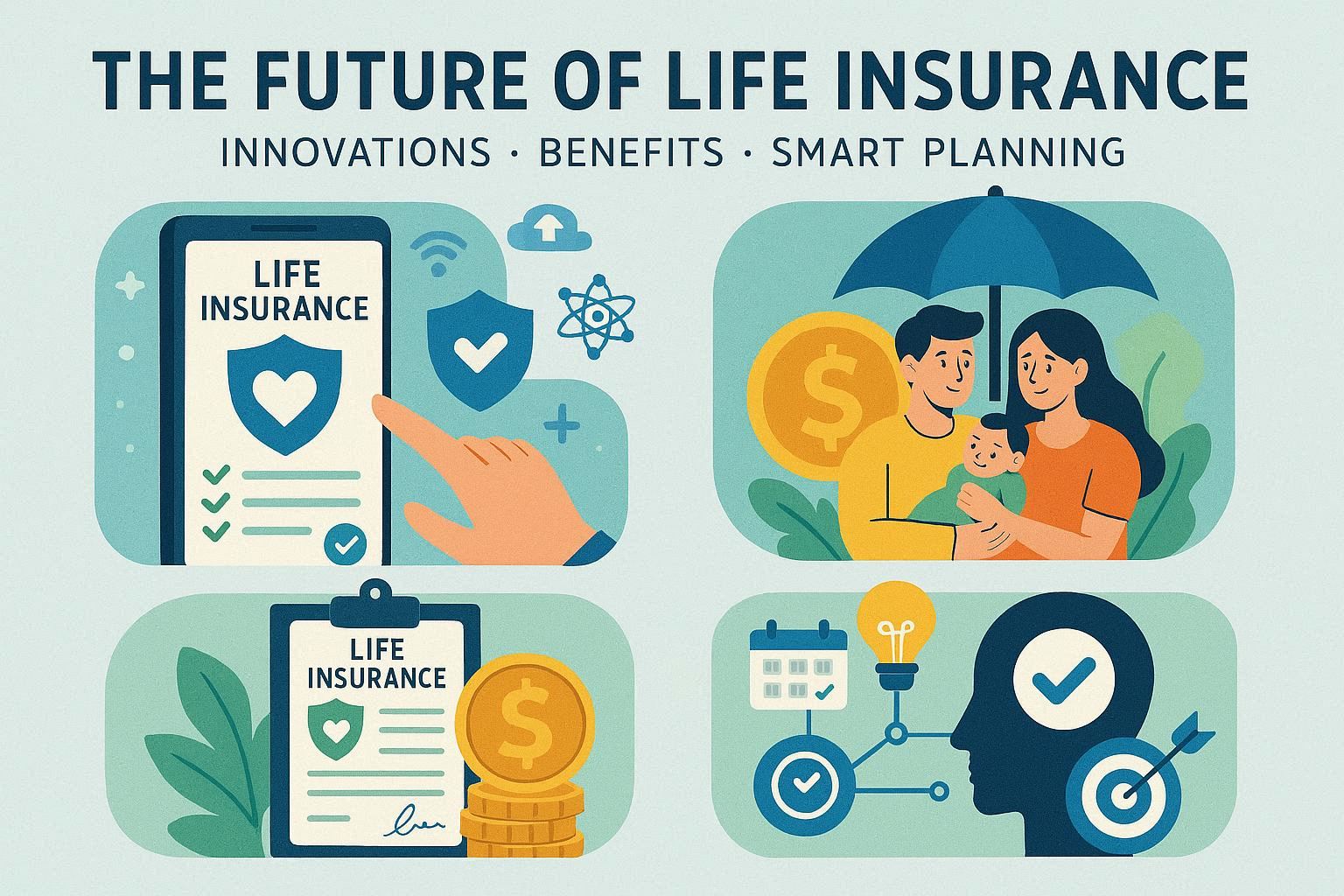
Life insurance has long been a pillar of financial security, protecting individuals and families against unforeseen circumstances. However, with advancements in technology, changing customer expectations, and new financial challenges, life insurance is evolving rapidly. Modern insurance providers now offer digital platforms, personalized policies, AI-powered underwriting, and flexible coverage options tailored to customer lifestyles.
This article explores the innovations reshaping life insurance, the key benefits of having coverage, and smart financial planning strategies to help individuals choose the best policy for their future.
Why Life Insurance Matters More Than Ever
In today’s uncertain economic climate, life insurance plays a vital role in long-term financial planning. It ensures that dependents receive financial support in case of an unexpected loss, helping them cover expenses such as housing, education, debts, and daily living costs. Additionally, life insurance can serve as a tool for wealth building, retirement planning, and tax optimization.
More individuals are now seeing life insurance not only as risk protection but also as an essential component of financial wellness and estate planning.
Key Benefits of Life Insurance
- Financial Security for Loved Ones: Provides income replacement for dependents in case of the policyholder’s death.
- Debt and Mortgage Protection: Helps cover outstanding loans, mortgages, or business liabilities.
- Retirement and Savings Options: Some policies offer cash value growth and investment benefits.
- Peace of Mind: Gives individuals confidence knowing their family’s future is financially protected.
- Tax Advantages: In many regions, payouts and investments within insurance policies have tax benefits.
Types of Life Insurance Policies
Choosing the right type of life insurance depends on financial goals, risk tolerance, and family needs. The most common types include:
- Term Life Insurance: Provides coverage for a specific period (10, 20, or 30 years). Affordable and ideal for short-term needs.
- Whole Life Insurance: Offers lifelong coverage with a savings component that builds cash value over time.
- Universal Life Insurance: Flexible coverage that allows policyholders to adjust premiums and death benefits.
- Variable and Indexed Life Insurance: Combines investment opportunities with life coverage for long-term wealth planning.
How Technology Is Shaping the Future of Life Insurance
Technology is transforming the insurance industry, making life insurance more accessible, efficient, and customer-friendly. Here are some major innovations:
- AI-Powered Underwriting: Insurance companies now use artificial intelligence to process applications, assess risk, and issue policies faster.
- Digital Platforms and Self-Service: Customers can compare policies, get instant quotes, and purchase insurance online without agents.
- Wearable Health Integration: Smartwatches and fitness trackers provide real-time health data to help insurers personalize plans and reward healthy lifestyles.
- Blockchain for Claims Processing: Blockchain technology improves claim transparency, prevents fraud, and speeds up payment processes.
- Insurance-as-a-Service (IaaS): Subscription-style insurance models offer flexible, adjustable coverage for changing lifestyles.
Personalized and Flexible Insurance Plans
One major shift in life insurance is the growing demand for personalized plans. Rather than one-size-fits-all policies, customers now want flexible coverage that fits their health, lifestyle, and financial goals. Young professionals, families with children, and retirees all require different types of coverage.
Modern insurers now offer customizable policies where users can add riders such as critical illness coverage, accidental death benefits, disability income protection, or long-term care insurance.
Smart Financial Planning with Life Insurance
Life insurance is not just about risk protection—it is also a financial planning tool. Here’s how it supports long-term financial goals:
- Estate Planning: Helps transfer wealth to heirs while minimizing taxation.
- Retirement Income: Some policies accumulate cash value that can be used for retirement income.
- Business Continuity: Entrepreneurs can use life insurance to protect business partners and ensure succession planning.
- Education Funding: Cash value policies can be used to fund college education for children.
How to Choose the Right Life Insurance Policy
Choosing the right life insurance policy involves careful consideration of key factors such as income, lifestyle, age, dependents, and long-term financial goals. Here are some steps to guide your decision:
- Assess your financial responsibilities, including debts, children’s education, and retirement needs.
- Decide how long you need coverage—short-term protection or lifelong benefits.
- Compare policies from different insurers to find the best price and coverage.
- Understand policy flexibility, investment features, and additional riders.
- Review premium payment options and affordability over time.
Final Thoughts
Life insurance is evolving from a simple protection plan to a comprehensive financial tool that offers stability, investment opportunities, and long-term security. With digital innovations, personalized plans, and smart financial strategies, life insurance is becoming more accessible and relevant than ever.
Whether you are a young professional, parent, or business owner, choosing the right life insurance policy can help secure your financial future and protect the people you care about most.