
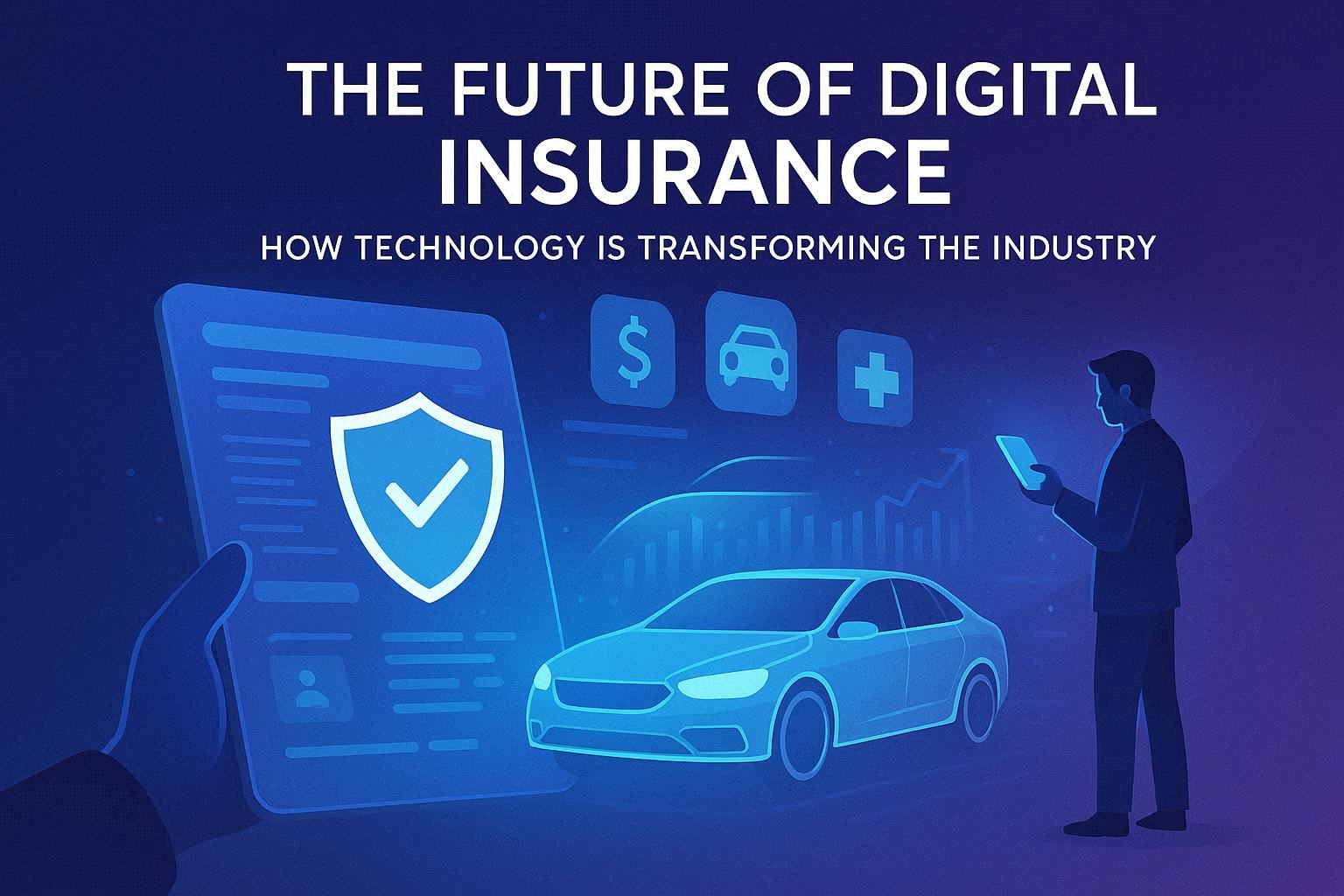
The insurance industry has long been rooted in traditional methods involving paperwork, manual claims processing, and lengthy underwriting procedures. However, digital transformation is reshaping the industry, making it faster, smarter, and more customer-centric. With technologies like artificial intelligence (AI), blockchain, telematics, big data, and cloud computing, insurance companies are delivering better risk assessment, personalized coverage, and more efficient claims handling.
This article explores how digital insurance, also known as InsurTech, is transforming the future of insurance and what customers and businesses can expect in the coming years.
What Is Digital Insurance?
Digital insurance refers to the use of advanced technologies to automate insurance processes such as underwriting, customer service, policy management, risk analysis, and claims processing. Instead of relying on agents or physical offices, digital insurance allows customers to purchase, manage, and claim policies online through apps and web-based platforms.
It provides transparency, convenience, and faster decision-making, making insurance more accessible to individuals and businesses worldwide.
Key Technologies Driving Digital Insurance
The digital transformation of insurance is powered by several emerging technologies:
- Artificial Intelligence (AI): Used for claims automation, fraud detection, and customer service chatbots.
- Blockchain: Enhances transparency, security, and speed in transactions and smart contracts.
- Telematics: Tracks driver behavior and helps insurers create usage-based car insurance.
- Big Data & Analytics: Provides deeper insights into risk assessment and personalized policy pricing.
- Cloud Computing: Supports digital platforms and remote policy operations efficiently.
How Artificial Intelligence Is Enhancing Insurance
Artificial Intelligence is one of the most impactful innovations in insurance. AI helps automate claims processing, improve underwriting accuracy, and enhance fraud detection. AI-powered virtual assistants can handle basic queries, help customers file claims, and recommend suitable insurance products.
AI offers several advantages:
- Faster claims approval and settlement.
- Improved risk evaluation using predictive analytics.
- Fraud detection through anomaly-based alerts.
- 24/7 customer support through chatbots.
AI is making insurance more efficient, customer-friendly, and cost-effective.
Blockchain Technology: Building Transparency and Trust
Blockchain offers a decentralized and secure system for recording transactions, making insurance contracts more transparent and tamper-proof. Smart contracts allow claims to be automatically processed when certain conditions are met, reducing delays and eliminating disputes.
Key benefits of blockchain in insurance include:
- Secure and immutable policy records.
- Automated claims through smart contracts.
- Prevention of fraud and false claims.
- Improved data security and identity management.
Blockchain enables insurance companies to improve transparency, reduce fraud, and accelerate claims processing.
Telematics and Usage-Based Insurance (UBI)
Telematics uses GPS and sensors to collect data about driving habits. This technology allows insurers to offer usage-based insurance where premiums are calculated based on driver behavior, mileage, and safety patterns.
Telematics-based insurance models include:
- Pay-As-You-Drive (PAYD): Premiums based on total distance traveled.
- Pay-How-You-Drive (PHYD): Premiums based on driving behavior (speed, braking, time of day).
- Distance-Based Insurance: Ideal for infrequent or occasional drivers.
These models reward safer drivers with lower premiums and reduce road accidents through behavioral monitoring.
Personalized Insurance Through Big Data
Big data analytics allows insurers to analyze large volumes of data such as lifestyle habits, medical history, financial records, and driving behavior. This helps insurers offer personalized coverage and accurate policy pricing tailored to individual needs.
Benefits of big data in insurance:
- Customized insurance packages.
- Better risk assessment and underwriting.
- Real-time policy updates and dynamic pricing.
- Enhanced customer satisfaction through personalization.
Mobile and Online Insurance Platforms
Digital insurance platforms allow customers to buy, manage, and claim insurance online without visiting an office or contacting an agent. These platforms deliver real-time quotes, digital policy issuance, and instant documentation.
Advantages include:
- Fast and easy policy purchase.
- Higher transparency in pricing and coverage.
- Instant claims filing and tracking.
- Secure storage of digital policy documents.
Mobile insurance apps are becoming increasingly popular due to their simplicity and user-friendly interface.
Automation in Claims Processing
Traditional claims processing was labor-intensive, involving multiple verifications, paperwork, and time-consuming communication. With automation, insurers now use AI and digital platforms to verify claims instantly.
Benefits of automated claims processing:
- Faster settlement and payout.
- Reduced administrative costs.
- Improved accuracy and fraud detection.
- Better customer experience.
Challenges Facing Digital Insurance
Despite its rapid growth, digital insurance still faces some challenges:
- Lack of digital literacy among customers in developing regions.
- Data privacy and cybersecurity risks.
- Regulatory and compliance hurdles.
- High initial investment in digital infrastructure.
However, with government support and technological advancement, these challenges are gradually being overcome.
What the Future Holds for Digital Insurance
The future of digital insurance is promising. With advancements in AI, blockchain, and 5G, insurance will become more proactive, automated, and personalized. Customers will enjoy seamless policy management, faster claims, and on-demand coverage.
In the next few years, digital insurance will become fully data-driven, automated, and accessible globally, promoting financial protection for individuals, businesses, and communities.
Digital insurance is redefining the future of the insurance industry. With the integration of AI, blockchain, telematics, and big data, insurers are offering better risk management, faster claims processing, and personalized policies. As innovation continues, insurance will become more accessible, affordable, and customer-focused, creating a smarter and more reliable protection system for everyone.